
What to Know · April 10, 2026 · 5 min · By Ezra Caulfield
How BBL Hero and Forever Young Protocols Work
A clinical breakdown of two broadband light systems designed to address pigmentation, texture, and early signs of aging.
How BBL Hero forever young works depends on understanding two related but distinct treatment protocols that use broadband light (BBL) technology to target skin concerns at the dermal and epidermal levels. Both systems emit a spectrum of wavelengths between 400 and 1200 nanometers, but they differ in pulse structure, cooling mechanisms, and clinical endpoints.
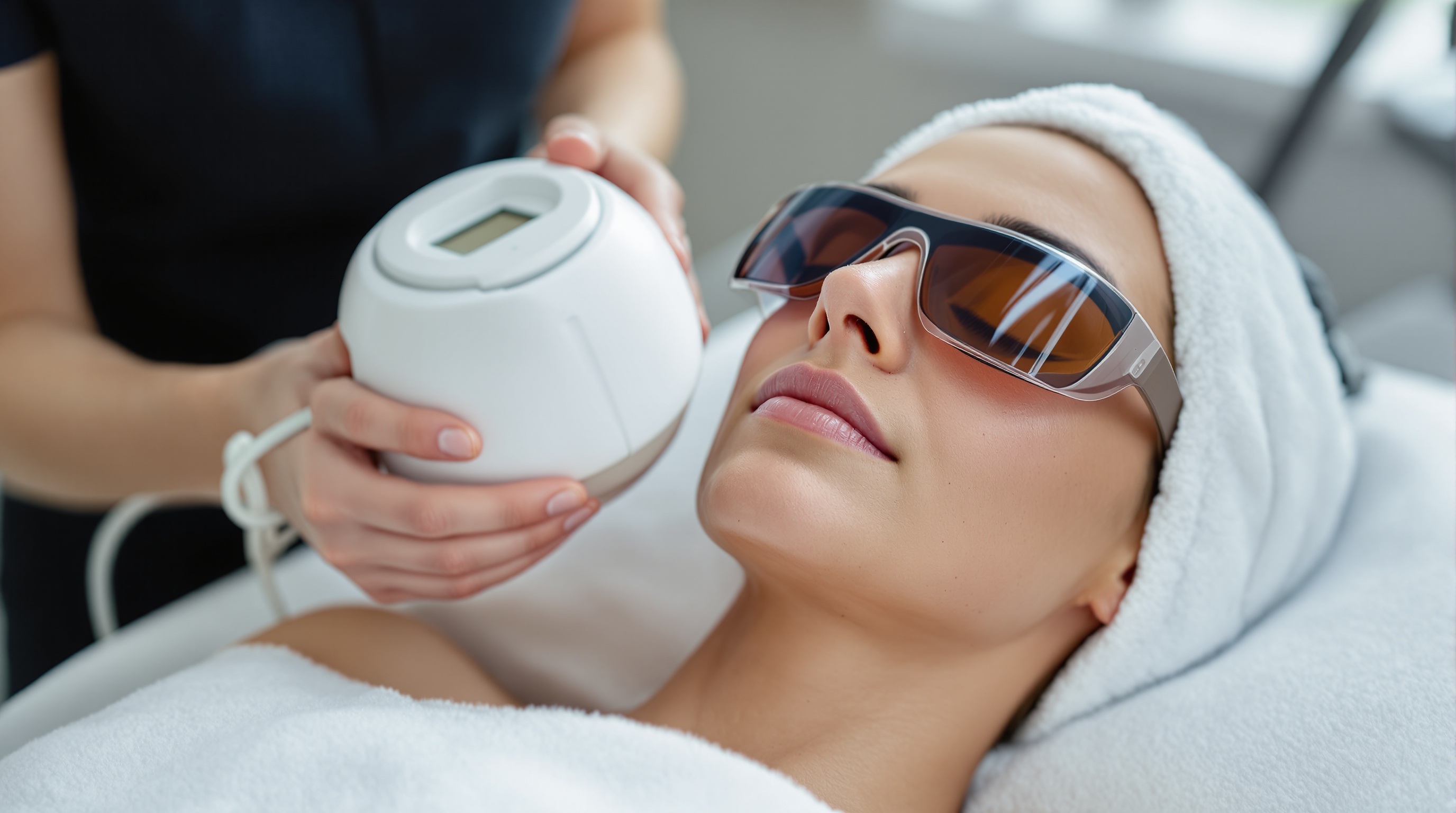
The BBL Hero platform is the newer generation device, introduced as an advancement over previous BBL systems. It delivers photon energy in a proprietary three-pulse stacking pattern rather than single long pulses. This means each treatment area receives three rapid bursts of light in quick succession, allowing deeper penetration without excessive surface heating. The device includes integrated contact cooling, which pre-cools the skin before treatment and maintains temperature throughout the procedure. This engineering reduces pain and minimizes the risk of unwanted thermal damage to surrounding tissue. For an independent overview, see Intense pulsed light and photofacials.
The Forever Young protocol refers to a specific treatment regimen typically performed with BBL or similar broadband light systems, designed as a series of maintenance treatments rather than a one-time intervention. The philosophy underlying Forever Young is that regular, low-intensity light exposure stimulates collagen remodeling and prevents cumulative sun damage more effectively than occasional aggressive treatments. Patients typically undergo four to six sessions spaced three to four weeks apart, then return quarterly or biannually for maintenance.
Both systems work through the principle of selective photothermolysis, in which light energy is absorbed by chromophores (pigment targets) in the skin. In broadband light therapy, the main targets are melanin in sun spots and other hyperpigmented lesions, and hemoglobin in dilated blood vessels and rosacea-affected areas. When light is absorbed, it converts to heat, causing the pigmented cells or vessel walls to fragment or denature. The body's natural inflammatory response then removes these damaged structures over the following one to three weeks.
At the cellular level, lower-intensity repeated light exposure also triggers a mild stress response in fibroblasts, the cells responsible for collagen production. This response is thought to stimulate collagen synthesis and reorganization without causing significant acute inflammation or downtime. This is the theoretical basis for the Forever Young maintenance approach: small regular stimulation rather than large infrequent treatment.
Candidacy differs between single-session aggressive treatment and the Forever Young protocol. Lighter skin types, classified as Fitzpatrick I to III, are ideal candidates for broadband light because melanin absorption is more selective and the risk of post-inflammatory hyperpigmentation is lower. Darker skin types (Fitzpatrick IV to VI) require caution; broadband light can cause unwanted pigmentation changes because melanin in the epidermis absorbs light non-selectively. For darker skin, Nd:YAG laser or longer-wavelength systems are generally safer because they bypass superficial melanin and target deeper structures. For related context, see our note on Microneedling vs Fractional Laser for Acne Scars: How They Work and What to Expect.
Recovery from BBL Hero and Forever Young treatments is typically minimal. Immediately post-treatment, the skin may appear flushed or mildly edematous, lasting one to four hours. Some patients report mild discomfort during the procedure, described as a rubber-band snap sensation, though integrated cooling reduces this significantly. Crusting or scabbing of treated spots may occur over three to seven days, particularly if pigmented lesions were targeted. Patients are advised to avoid sun exposure and apply broad-spectrum SPF 30 or higher during the healing window.
Realistic results emerge gradually. After a single session, mild improvement in redness or subtle lightening of spots may be visible within one week. Over four to six weeks, as collagen remodeling progresses, skin texture and tone become more refined. The Forever Young series typically shows cumulative improvement in fine lines, overall radiance, and a reduction in visible age spots and vascular lesions. However, results plateau; dramatic changes in deep wrinkles or severe sagging should not be expected from light-based therapy alone.
Cost varies by geography and clinic structure. A single BBL Hero treatment typically ranges from 400 to 1000 dollars, depending on treatment area size. A full Forever Young series of four to six sessions may cost 1500 to 4000 dollars total. Maintenance sessions are generally priced as single treatments. Insurance does not cover cosmetic broadband light therapy, though some practitioners offer package discounts for committed series.
The distinction between aggressive one-time BBL treatment and the Forever Young maintenance philosophy reflects a broader shift in aesthetic dermatology toward preventive, low-dose interventions over dramatic single procedures. Both approaches use the same underlying physics, but Forever Young prioritizes consistency and cumulative benefit over immediate visible change.
Related reading: Ablative vs. non-ablative laser resurfacing, Sciton vs Fraxel resurfacing platforms: how they work and what to expect.
More in Explainer
View all →- Melasma and Lasers: Why Lower Energy Usually Wins
- Fractional CO2 vs Non-Ablative 1550 and 1927 nm: How to Actually Choose a Resurfacing Laser
- 1550 nm or 1927 nm? What the Two Workhorse Fractional Wavelengths Actually Do to Your Skin
- Ablative vs. Non-Ablative Fractional Resurfacing: What the Wavelength Actually Decides